The American Academy of Dermatology identifies topical minoxidil and prescription finasteride as FDA-approved treatments for male-pattern hair loss (androgenetic alopecia), with different timelines, maintenance needs, and possible side effects.
Key facts
- Androgenetic alopecia is caused by genetic sensitivity to DHT shrinking the hair follicles.
- Finasteride stops hair loss by lowering DHT, while minoxidil stimulates follicle growth phases.
- Results from medical hair loss treatments require 6 to 12 months of consistent use to become visible.
- Stopping treatment will result in the resumption of hair loss.
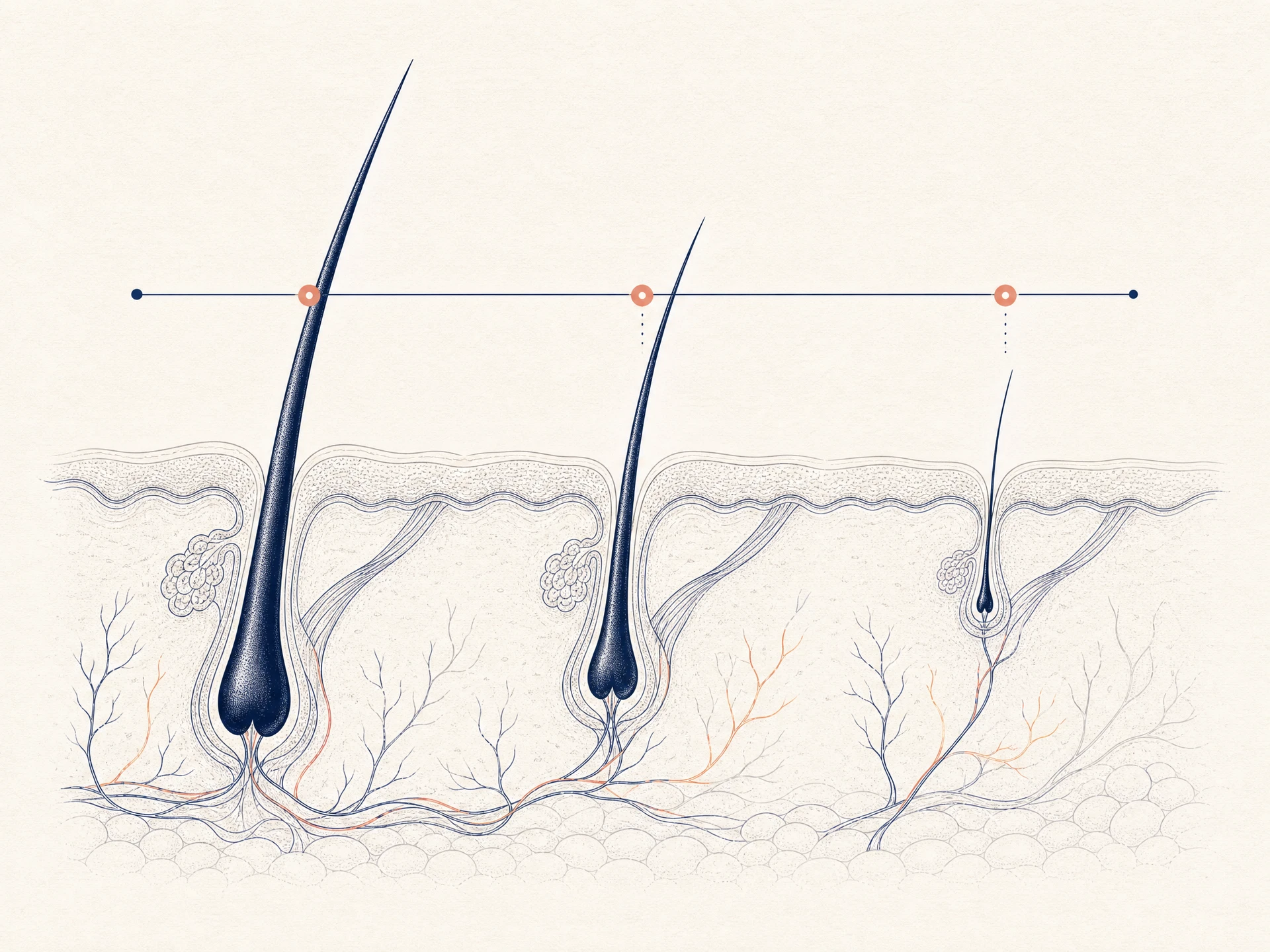
Male-pattern hair loss, formally known as androgenetic alopecia, is primarily driven by biology happening at the microscopic level. In men with a genetic predisposition, scalp hair follicles become unusually sensitive to DHT. Over time, this sensitivity causes the follicle to undergo miniaturization—each hair cycle produces a thinner, shorter, and lighter hair shaft until the follicle eventually stops producing visible hair entirely.
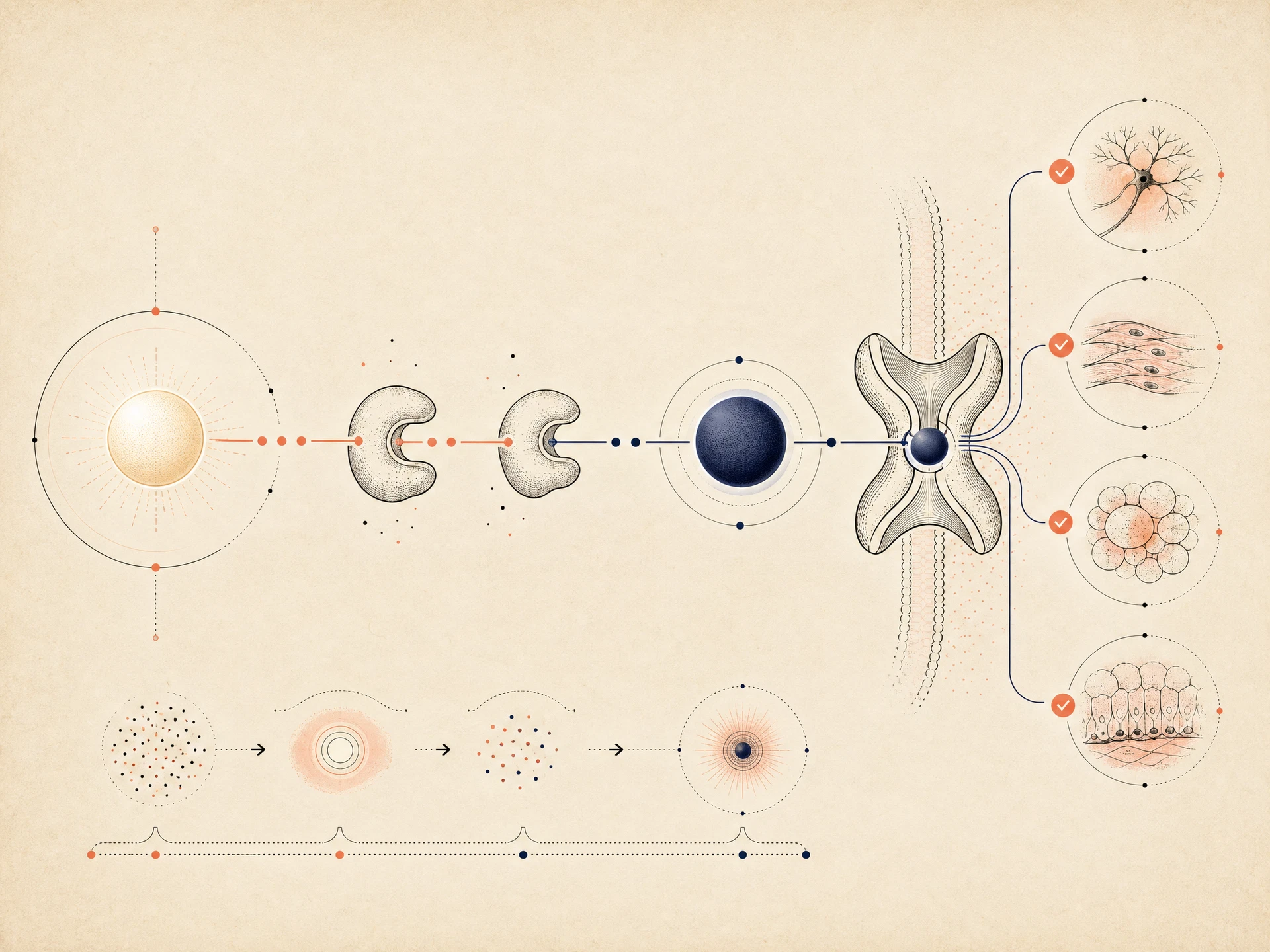
The two primary FDA-approved treatments target this issue through completely different mechanisms. According to the American Academy of Dermatology, finasteride works systemically by inhibiting the 5-alpha reductase enzyme, thereby lowering the amount of DHT available to attack the follicles. Minoxidil, applied topically, works locally by widening blood vessels, increasing nutrient flow, and prolonging the growth phase (anagen) of the hair cycle.
A common frustration with hair loss treatments is the timeline for visible results. Because hair grows slowly and operates in distinct resting and growing phases, it is physically impossible to see overnight improvements. Medical guidelines stress that patients must commit to consistent daily treatment for at least 6 to 12 months before accurately judging efficacy or noticing significant regrowth.
Furthermore, it is vital to understand that these treatments are maintenance therapies, not permanent cures. If a man stops using minoxidil or finasteride, the underlying biological process resumes, and the preserved or regrown hair will typically be lost within a few months. Patients must weigh this long-term commitment and the potential, though generally uncommon, side effects of systemic DHT reduction when choosing a treatment path.
What this means in context
Health information becomes more useful when the question, the evidence, and the limit of the evidence stay together. This Signal Library note is designed to show the shape of the evidence without turning it into a self-diagnosis or a generic action plan.
The American Academy of Dermatology identifies topical minoxidil and prescription finasteride as FDA-approved treatments for male-pattern hair loss (androgenetic alopecia), with different timelines, maintenance needs, and possible side effects. The right next question can depend on symptoms, history, medications, personal goals, and clinical context.
Hair loss has many causes beyond androgenetic alopecia. Treatment choice and safety require individual clinical context — not a one-size-fits-all recommendation.
Frequently asked questions
How long does hair loss treatment take to work?
Treatments require patience; visible improvements or stabilization typically take at least 6 to 12 months of continuous, daily application or medication.
Can hair loss be reversed?
Early intervention can partially reverse miniaturization and regrow hair, but treatments are most effective at maintaining existing hair rather than reviving long-dormant follicles.
What are the side effects of finasteride?
While generally well-tolerated, finasteride can cause sexual side effects, such as decreased libido or erectile dysfunction, in a small percentage of users by lowering systemic DHT.
How Corhack fits
Corhack is a men's health tracking app that helps you record the day-to-day context around sleep, meals, training, tasks, and personal goals. It does not diagnose, prescribe, interpret laboratory tests, or predict an individual health outcome.