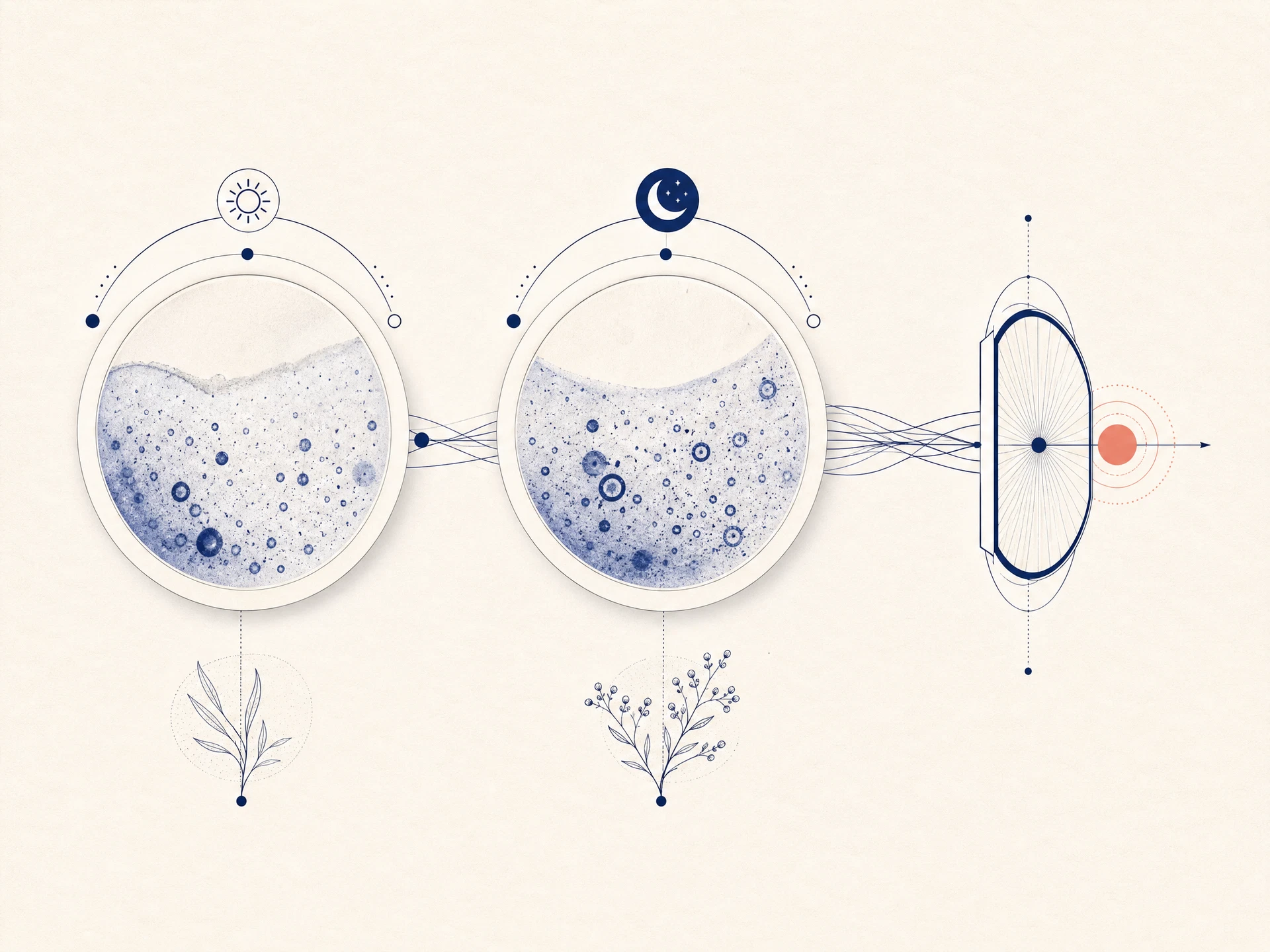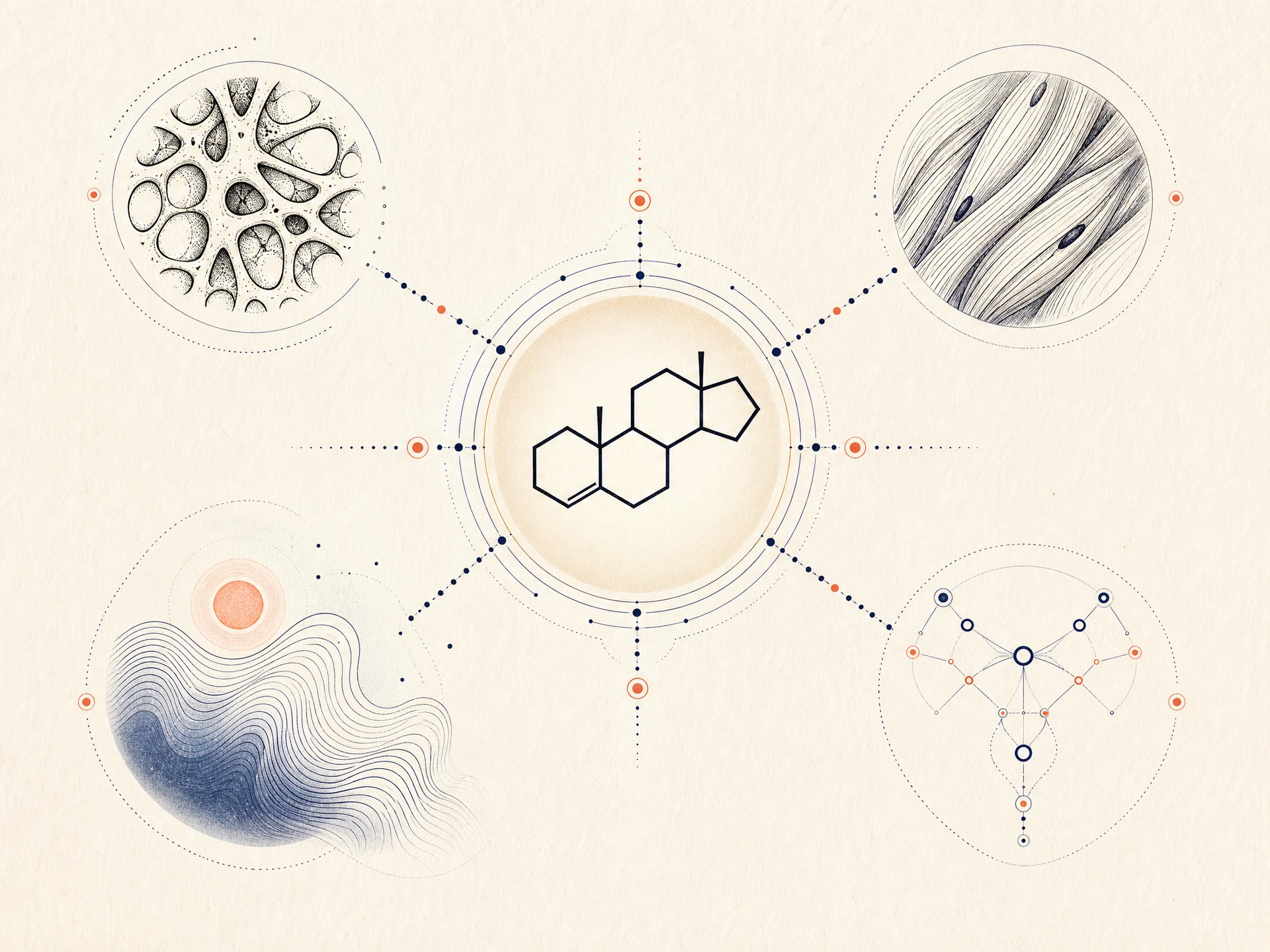

Severe short-term sleep restriction has been shown in studies to reduce daytime testosterone levels in healthy young men. However, what that means for long-term individual outcomes, gym performance, or natural testosterone optimisation is less certain.
Key facts
- The majority of daily testosterone is produced in bursts during deep sleep cycles.
- Restricting sleep to 5 hours a night can significantly drop testosterone levels within a week.
- Poor sleep architecture directly interferes with the body's natural hormone manufacturing process.
- Prioritizing sleep is more effective for hormone optimization than any over-the-counter supplement.
The relationship between sleep and testosterone is one of the most vital yet nuanced areas of men's health. Groundbreaking research from the University of Chicago demonstrated that severely restricting sleep in healthy young men to just five hours a night for a single week reduced daytime testosterone levels by 10% to 15%. This measurable hormonal drop effectively simulated a decade of rapid biological aging in a matter of days.
This intense connection exists because of how the body's circadian rhythm dictates hormone production. Testosterone is not released continuously; instead, the vast majority of a man's daily supply is produced in pulsatile bursts during the deeper stages of sleep. Disrupting the architecture of sleep, particularly the rapid eye movement (REM) and slow-wave phases, directly interrupts this delicate manufacturing process.
While the short-term negative impact of acute sleep deprivation is clear, long-term outcomes remain more complex. Clinical studies have not definitively proven that chronic, mild sleep restriction leads to permanent clinical hypogonadism. The body is highly adaptable, and the long-term interplay between chronic fatigue, stress hormones like cortisol, and metabolic health creates a complex web that is difficult to isolate in longitudinal studies.
Nevertheless, optimizing sleep hygiene remains the most effective, accessible lifestyle intervention for natural hormone health. Understanding this biological reality empowers men to prioritize consistent sleep schedules and proper recovery as foundational health strategies, rather than relying on unproven supplements to counteract the hormonal toll of exhaustion.
What this means in context
Health information becomes more useful when the question, the evidence, and the limit of the evidence stay together. This Signal Library note is designed to show the shape of the evidence without turning it into a self-diagnosis or a generic action plan.
Severe short-term sleep restriction has been shown in studies to reduce daytime testosterone levels in healthy young men. However, what that means for long-term individual outcomes, gym performance, or natural testosterone optimisation is less certain. The right next question can depend on symptoms, history, medications, personal goals, and clinical context.
Sleep quality, stress, health conditions, medications, training load, nutrition, and many other factors shape individual hormone levels. Tracking context is not the same as diagnosing hormone status.
Frequently asked questions
How much sleep do I need for healthy testosterone?
While individual needs vary, evidence suggests that consistently getting 7 to 9 hours of quality sleep per night provides the optimal window for natural hormone production.
Does sleep deprivation lower testosterone?
Yes, clinical studies have shown that acute, severe sleep restriction can lower daytime testosterone levels by as much as 10% to 15% in healthy young men.
Can improving sleep raise testosterone?
If your levels are suppressed due to chronic poor sleep, improving your sleep duration and quality is the most effective natural method to help restore baseline production.
How Corhack fits
Corhack is a men's health tracking app that helps you record the day-to-day context around sleep, meals, training, tasks, and personal goals. It does not diagnose, prescribe, interpret laboratory tests, or predict an individual health outcome.