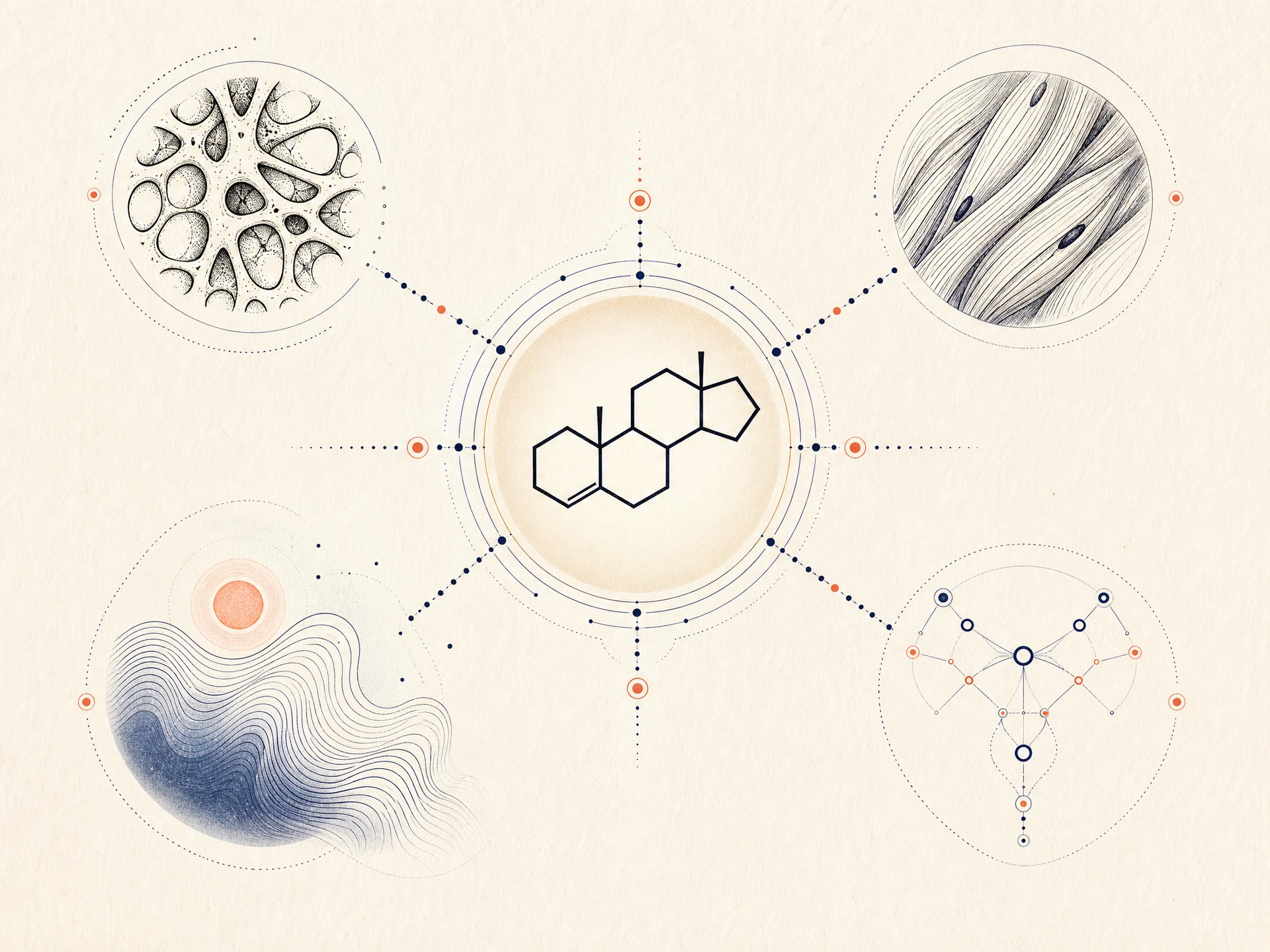
Guidelines recommend diagnosis only when compatible symptoms or signs occur alongside unequivocally and consistently low testosterone, confirmed with accurate testing. One result is not enough.
Key facts
- A single low testosterone result is insufficient for a medical diagnosis.
- Blood tests must be conducted in the early morning when hormone levels are highest.
- Symptoms like fatigue are non-specific and can result from many conditions other than low testosterone.
- Diagnosing hypogonadism requires establishing a consistent pattern of both symptoms and low laboratory values.
The diagnosis of low testosterone, clinically known as hypogonadism, is a rigorous process that requires more than a single snapshot of your blood. According to the Endocrine Society guidelines, confirming a diagnosis demands a combination of consistent physical symptoms and repeated, precise laboratory testing. A solitary low reading can easily result from temporary factors like poor sleep, acute illness, or even intense physical training.
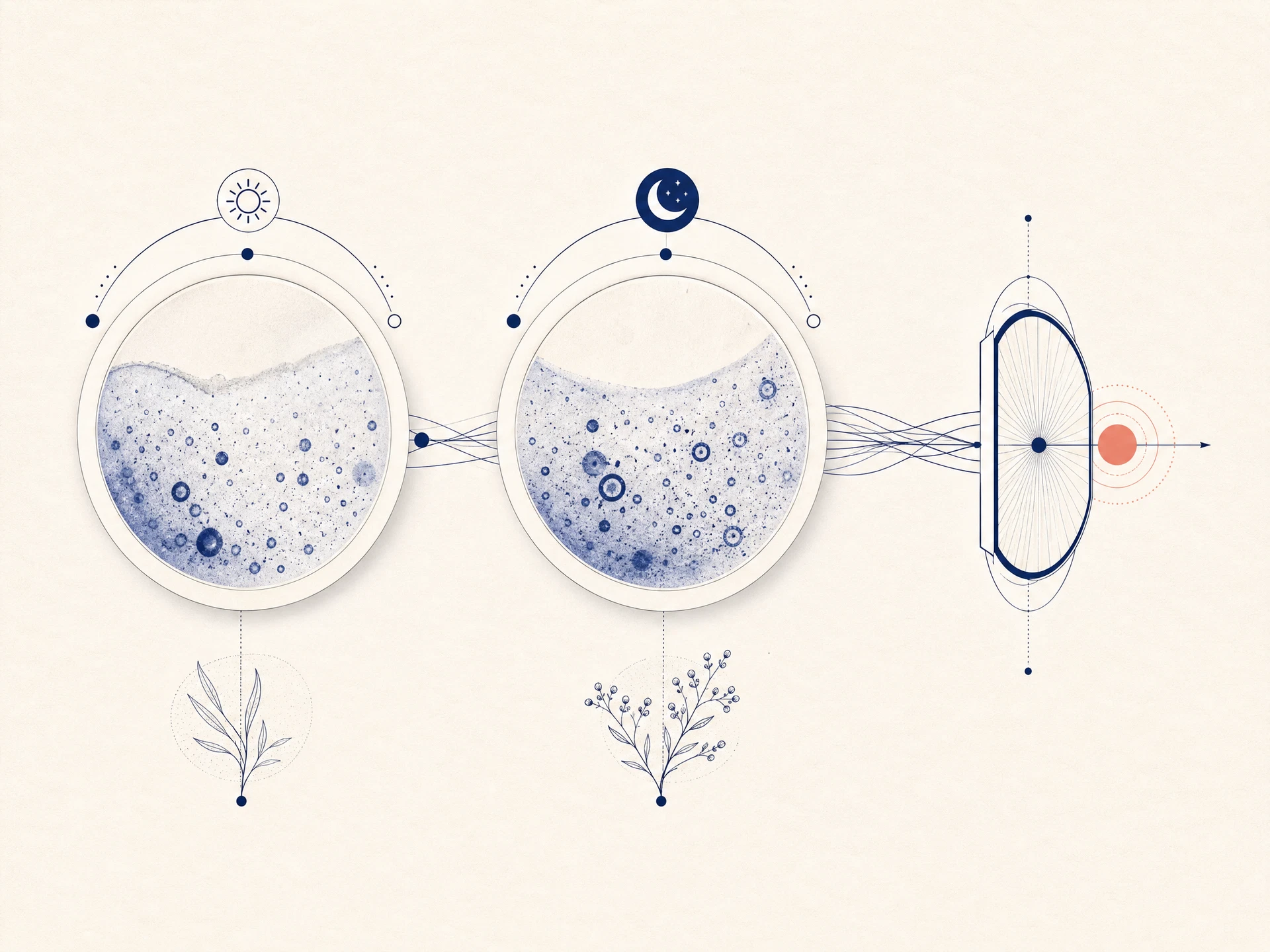
Timing and conditions for the blood draw are crucial for accuracy. Because testosterone production follows a diurnal rhythm, levels are highest in the early morning. Therefore, clinical standards mandate that blood samples for testosterone evaluation be drawn between 8:00 AM and 10:00 AM. Fasting is also commonly recommended, as glucose intake can temporarily suppress circulating testosterone, potentially skewing the results.
When evaluating symptoms, it is vital to differentiate between specific indicators and generalized complaints. Classic, specific symptoms of low testosterone include a significant decrease in spontaneous erections, reduced libido, and shrinking testes. In contrast, non-specific symptoms like fatigue, low mood, or mild weight gain can be caused by numerous other health issues, such as sleep apnea, thyroid dysfunction, or chronic stress.
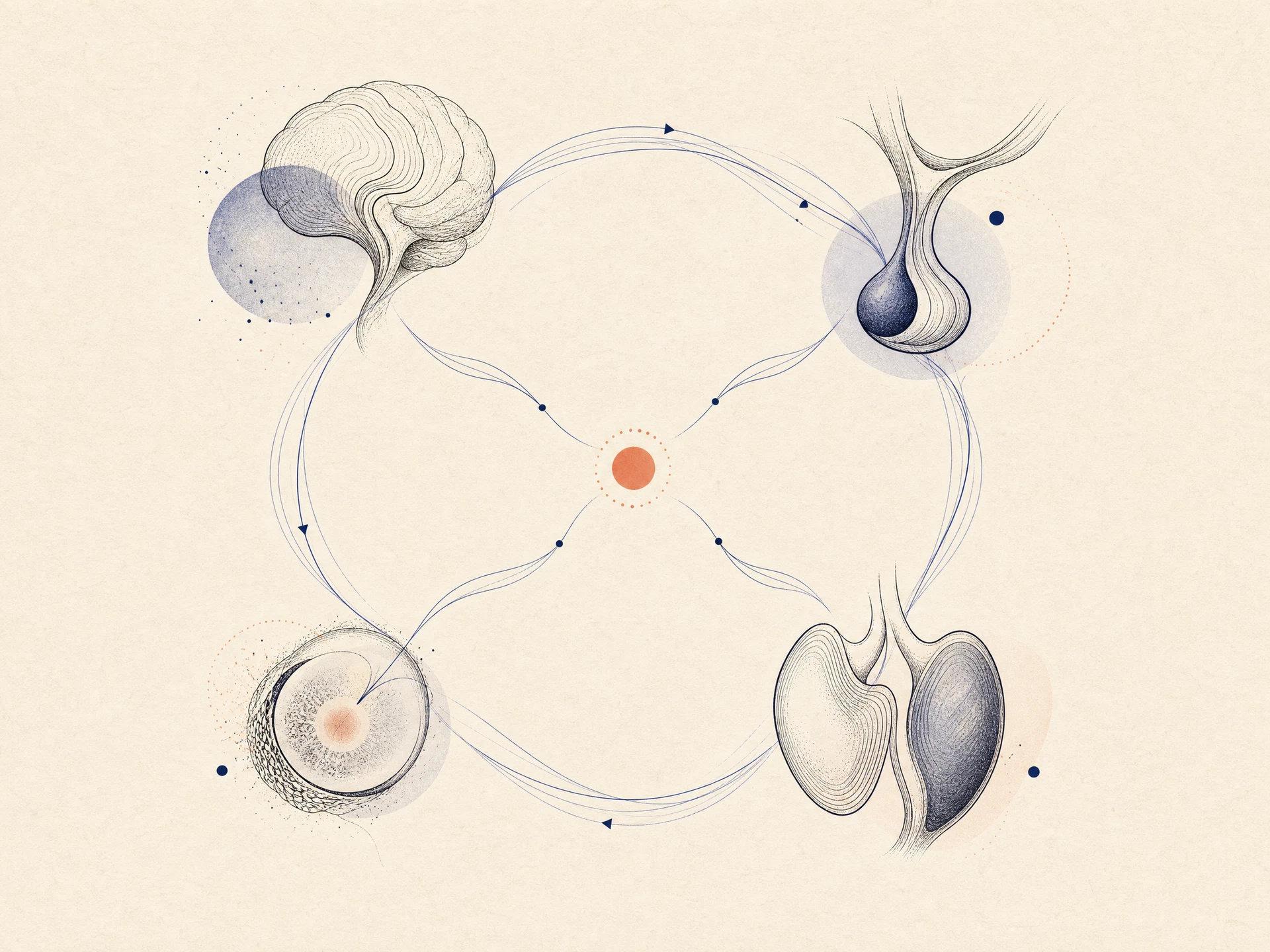
Due to the natural variability of hormones, an initial low result must always be confirmed with a second early-morning test on a different day. If the repeat test confirms low testosterone, further evaluation is needed to determine the underlying cause—whether the issue originates in the testes themselves (primary hypogonadism) or in the brain's signaling pathways (secondary hypogonadism). This comprehensive approach ensures safe and appropriate medical care.
What this means in context
Health information becomes more useful when the question, the evidence, and the limit of the evidence stay together. This Signal Library note is designed to show the shape of the evidence without turning it into a self-diagnosis or a generic action plan.
Guidelines recommend diagnosis only when compatible symptoms or signs occur alongside unequivocally and consistently low testosterone, confirmed with accurate testing. One result is not enough. The right next question can depend on symptoms, history, medications, personal goals, and clinical context.
The evaluation of low testosterone has multiple steps and causes. This is not a self-testing or self-treatment workflow — always work with a qualified clinician.
Frequently asked questions
How is low testosterone diagnosed?
Diagnosis requires the presence of specific clinical symptoms combined with at least two separate, unequivocally low early-morning blood test results.
Why do I need two blood tests?
Hormone levels fluctuate daily due to sleep, stress, and natural rhythms. A second test confirms whether the low level is consistent or just a temporary drop.
What time should testosterone be tested?
Testing should occur in the morning, typically between 8:00 AM and 10:00 AM, when testosterone levels reach their natural daily peak.
How Corhack fits
Corhack is a men's health tracking app that helps you record the day-to-day context around sleep, meals, training, tasks, and personal goals. It does not diagnose, prescribe, interpret laboratory tests, or predict an individual health outcome.