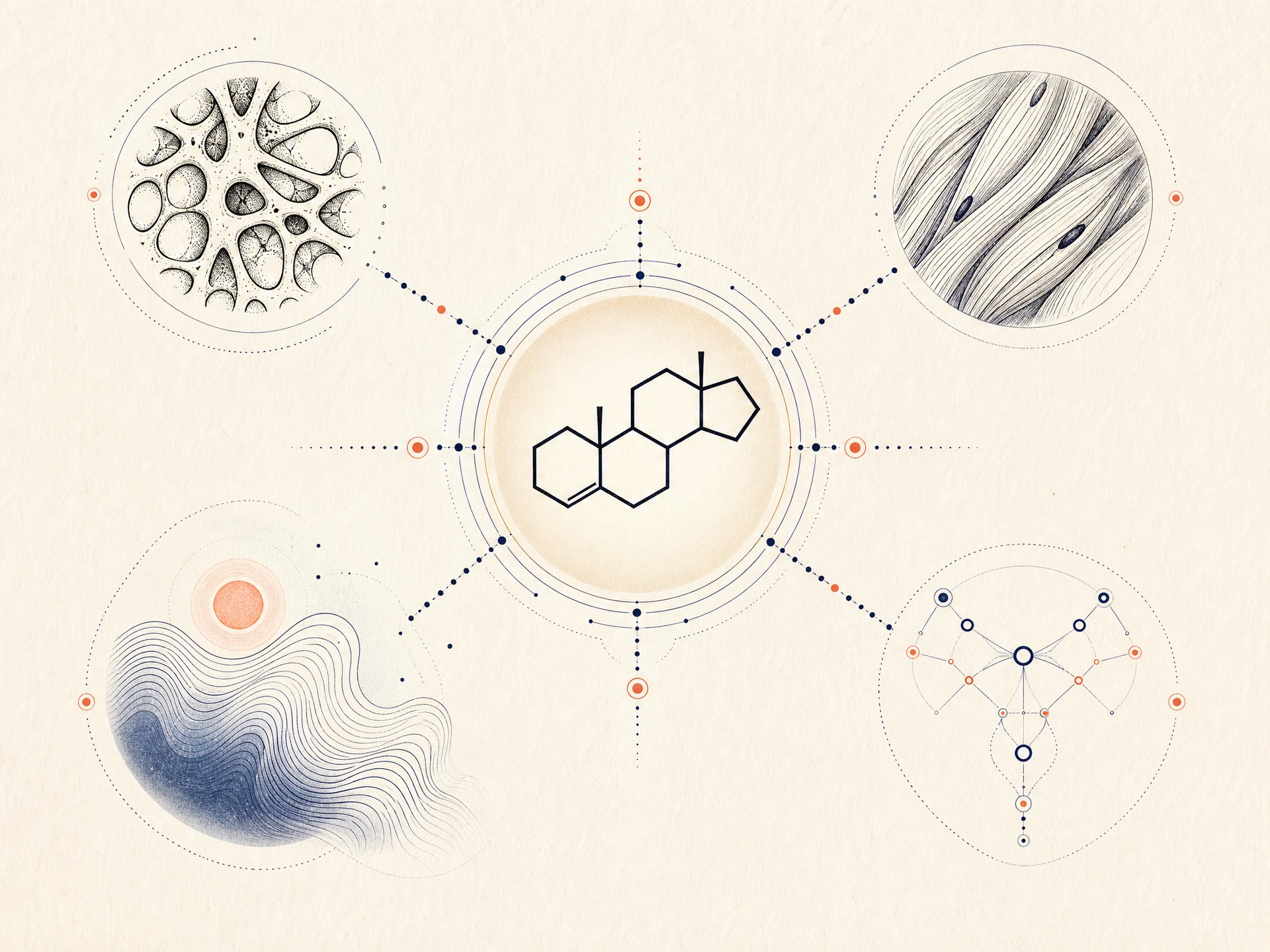
Testosterone has important roles in male sexual development, sex drive, sperm production, bone health, muscle mass, and mood. Its effects depend on context, tissues, symptoms, and a broader clinical picture — not a single lab number.
Key facts
- Testosterone regulates muscle mass, bone density, mood, and sexual function.
- Hormone levels fluctuate daily, peaking in the morning and declining by evening.
- Total testosterone includes both inactive (bound) and active (free) forms of the hormone.
- A clinical diagnosis relies on both symptoms and repeated lab testing, not just a single low number.
Testosterone is the primary male sex hormone, but its impact extends far beyond the reproductive system. According to the Endocrine Society, it plays a critical role in male sexual development, driving physical changes during puberty such as deepening of the voice, body hair growth, and the maturation of the sex organs. However, its importance continues throughout adulthood, acting as a foundational pillar for men's daily wellness and biological function.
Beyond sexual health and libido, testosterone is essential for maintaining physical structures and metabolic processes. It helps regulate bone density, red blood cell production (erythropoiesis), and fat distribution. Furthermore, NCBI Endotext documentation outlines its significant influence on muscle mass and strength, as well as its subtle but crucial role in mood regulation and cognitive health, illustrating why hormone balance matters for overall well-being.
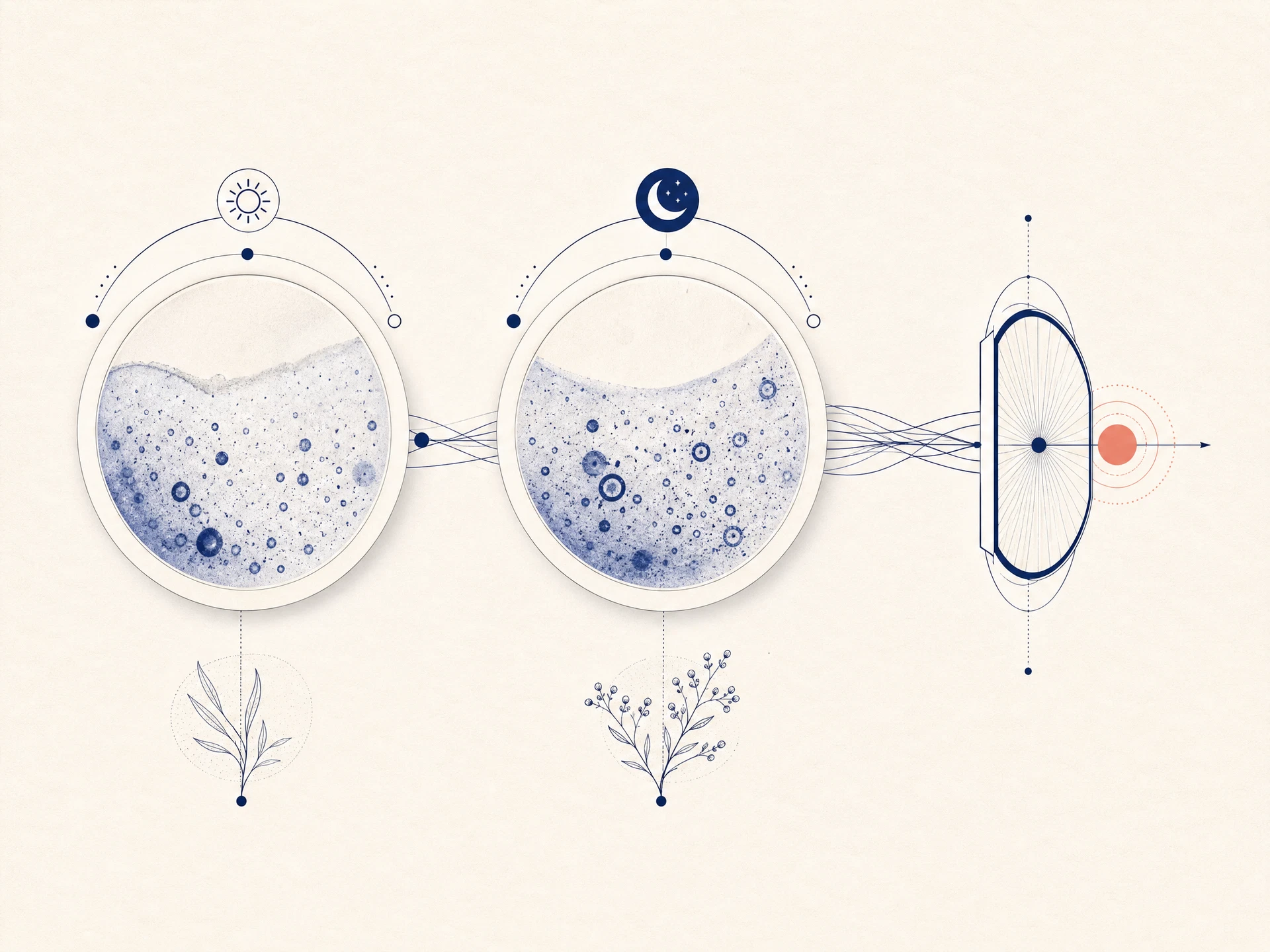
It is important to understand that testosterone levels are not static; they fluctuate naturally based on various factors. A man's testosterone levels can vary depending on the time of day, typically peaking in the early morning and gradually declining as the day progresses. Other variables such as acute illness, chronic stress, physical exhaustion, and normal aging can all influence circulating hormone levels, making context vital when considering one's health data.
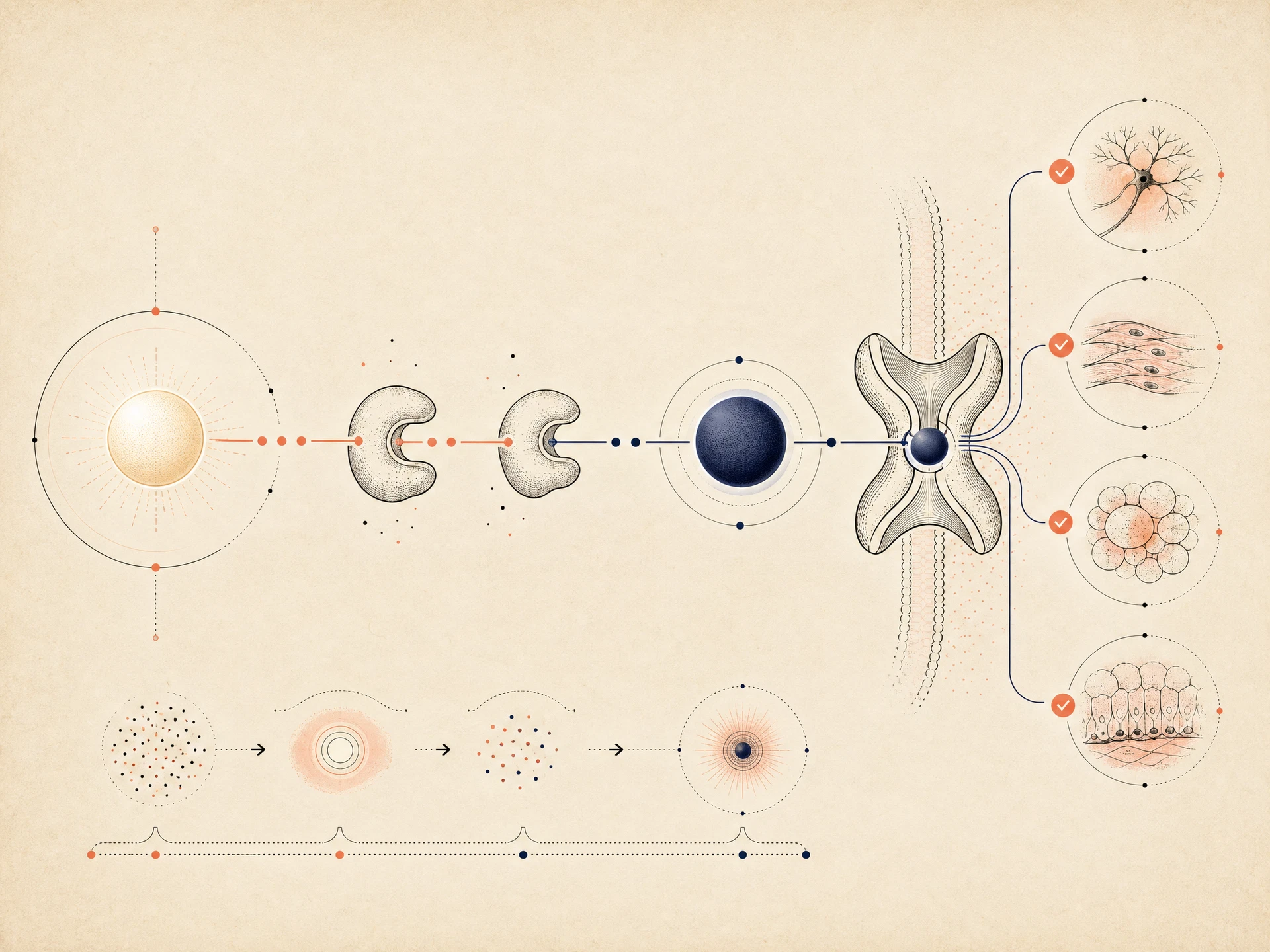
When evaluating testosterone, the distinction between different forms in the blood is key. 'Total testosterone' measures all the hormone present, but most of it is bound tightly to proteins like SHBG (sex hormone-binding globulin) and albumin, rendering it inactive. 'Free testosterone' refers to the unbound, active hormone available to tissues, while 'bioavailable testosterone' includes both free and loosely albumin-bound forms. Understanding this difference helps explain why a 'normal' total number doesn't always tell the whole story.
What this means in context
Health information becomes more useful when the question, the evidence, and the limit of the evidence stay together. This Signal Library note is designed to show the shape of the evidence without turning it into a self-diagnosis or a generic action plan.
Testosterone has important roles in male sexual development, sex drive, sperm production, bone health, muscle mass, and mood. Its effects depend on context, tissues, symptoms, and a broader clinical picture — not a single lab number. The right next question can depend on symptoms, history, medications, personal goals, and clinical context.
A daily wellness signal, a symptom list, or a single laboratory result cannot diagnose hypogonadism on its own. Speak with a clinician for any symptoms.
Frequently asked questions
What is a normal testosterone level?
Normal levels vary by age and lab standards, but generally fall between 300 and 1,000 ng/dL for adult men. However, guidelines emphasize that a 'normal' number must be evaluated alongside clinical symptoms.
Does testosterone decrease with age?
Yes, according to the Endocrine Society, testosterone levels naturally decline by about 1% to 2% each year starting around age 30 or 40. This is a normal part of aging, though the rate varies between individuals.
Can lifestyle affect testosterone levels?
Absolutely. Sleep quality, nutrition, stress levels, and exercise routines all significantly impact testosterone production. Addressing lifestyle factors is often the first step in supporting hormone health.
How Corhack fits
Corhack is a men's health tracking app that helps you record the day-to-day context around sleep, meals, training, tasks, and personal goals. It does not diagnose, prescribe, interpret laboratory tests, or predict an individual health outcome.