Guidelines state that testosterone monotherapy should not be prescribed for men interested in current or future fertility, as exogenous testosterone suppresses the HPG axis and sperm production.
Key facts
- Exogenous testosterone shuts down the HPG axis, halting natural sperm production.
- Clinical guidelines prohibit standard TRT for men actively trying to conceive.
- Medications like clomiphene and hCG can treat low testosterone while maintaining fertility.
- Fertility recovery after stopping TRT is often slow and can take over a year.
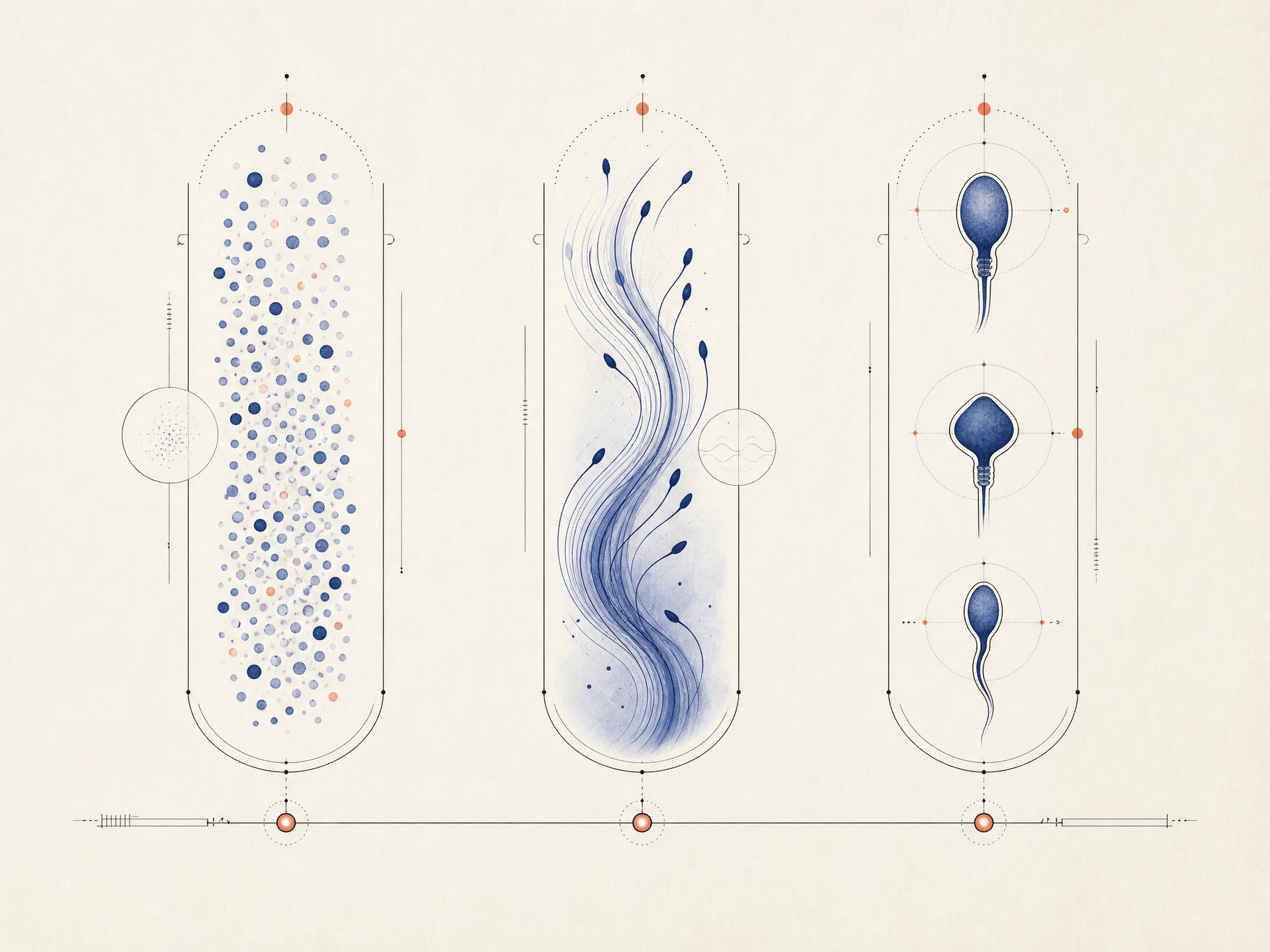
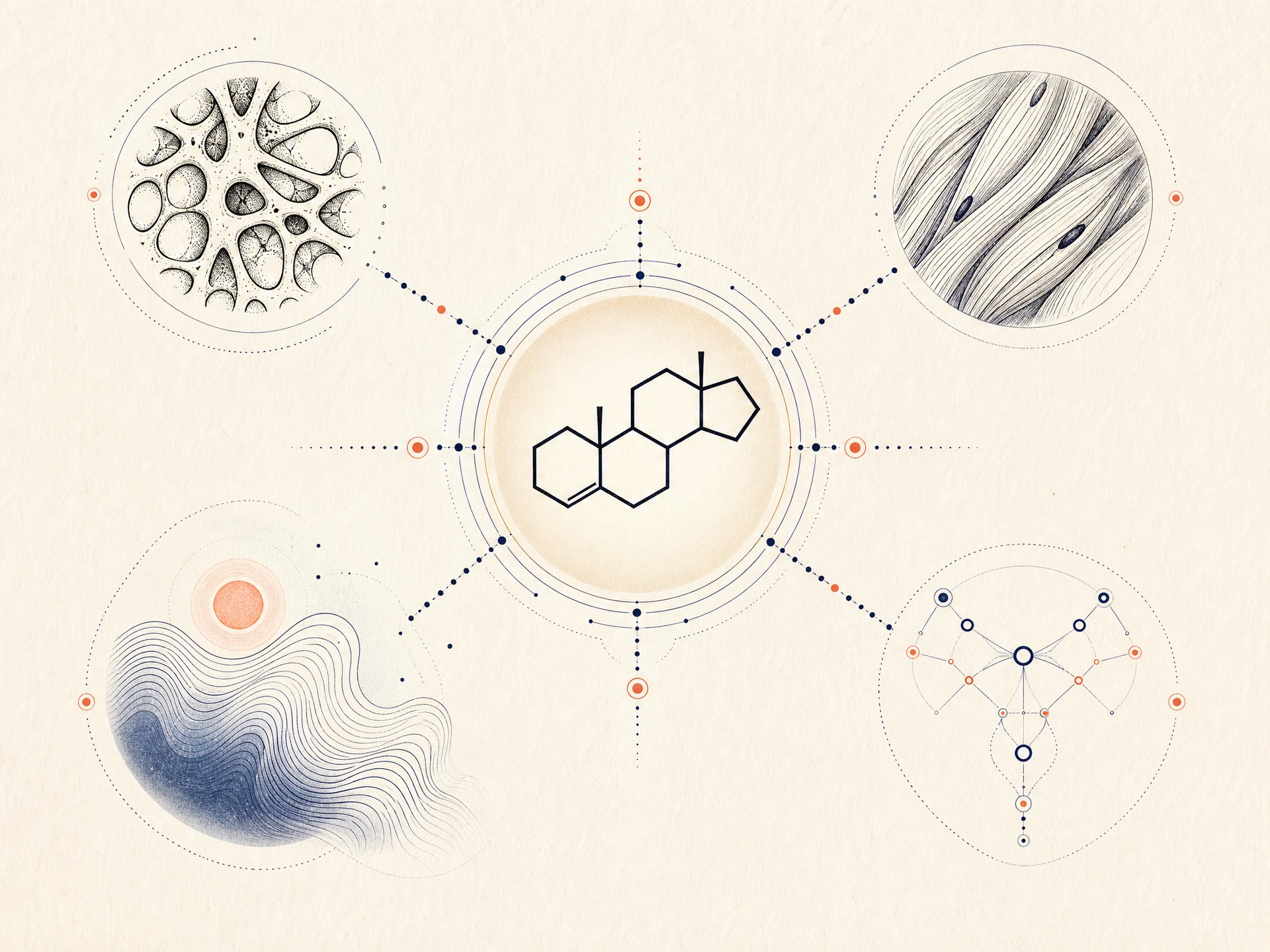
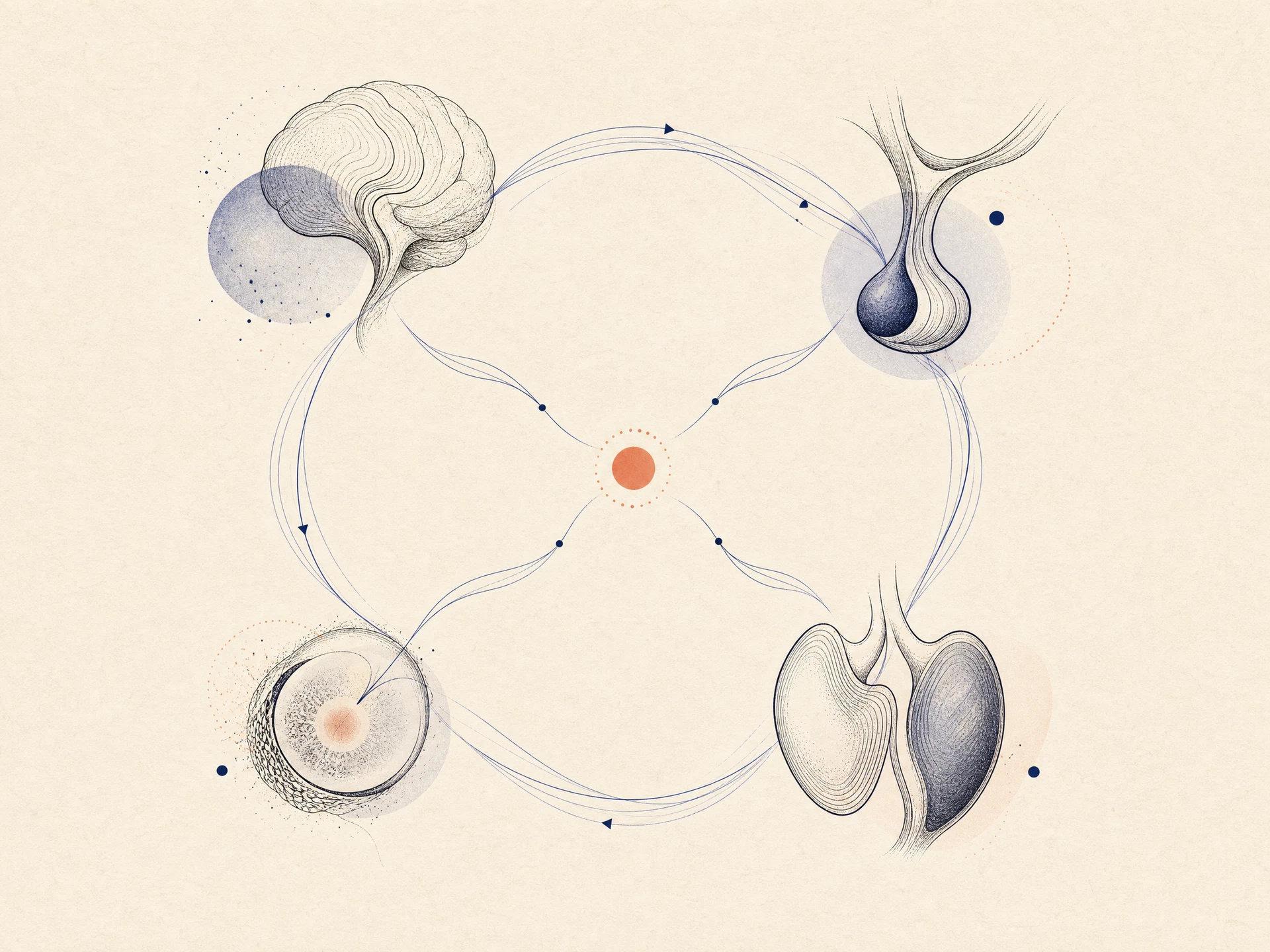
A common and dangerous misconception in men's health is that taking testosterone will improve fertility. In reality, introducing exogenous testosterone (TRT) acts as a powerful contraceptive. It suppresses the hypothalamic-pituitary-gonadal (HPG) axis, signaling the brain that hormone levels are adequate. This halts the brain's release of luteinizing hormone (LH) and follicle-stimulating hormone (FSH), shutting down natural sperm production in the testes.
Because of this dramatic suppressive effect, major clinical guidelines from organizations like the AUA and Endocrine Society are explicit: testosterone monotherapy should never be prescribed to men who desire current or future fertility. The shutdown of spermatogenesis can occur within months of starting therapy, and while often reversible, recovery is not guaranteed and can take significant time.
For men with clinically diagnosed hypogonadism who still wish to preserve their fertility, specialized alternative treatments are required. Physicians may utilize medications like clomiphene citrate, which blocks estrogen receptors in the brain to stimulate natural LH and FSH release, or human chorionic gonadotropin (hCG), which mimics LH to maintain testicular function and sperm production without shutting down the HPG axis.
Timing and proactive planning are essential elements of this clinical conversation. Recovering fertility after stopping TRT can take anywhere from six months to over a year, depending on the duration of therapy and individual biology. Therefore, engaging with a urologist or endocrinologist before beginning any hormonal intervention is the safest way to balance symptom relief with long-term family planning goals.
What this means in context
Health information becomes more useful when the question, the evidence, and the limit of the evidence stay together. This Signal Library note is designed to show the shape of the evidence without turning it into a self-diagnosis or a generic action plan.
Guidelines state that testosterone monotherapy should not be prescribed for men interested in current or future fertility, as exogenous testosterone suppresses the HPG axis and sperm production. The right next question can depend on symptoms, history, medications, personal goals, and clinical context.
Treatment alternatives, testing, and fertility planning require individual clinical evaluation. Never start or stop a prescribed treatment based on an article.
Frequently asked questions
Does testosterone therapy cause infertility?
Yes, exogenous testosterone suppresses the brain signals required for the testes to produce sperm, effectively acting as a male contraceptive during treatment.
How long after stopping TRT does fertility return?
Sperm production usually recovers, but the timeline varies greatly. It can take from 6 months to 1-2 years after cessation for natural spermatogenesis to fully return.
What alternatives to TRT preserve fertility?
Clinicians may prescribe medications like clomiphene citrate or hCG, which stimulate the body's natural testosterone and sperm production rather than replacing it.
How Corhack fits
Corhack is a men's health tracking app that helps you record the day-to-day context around sleep, meals, training, tasks, and personal goals. It does not diagnose, prescribe, interpret laboratory tests, or predict an individual health outcome.